




Table of Contents
For years, most buyers looking at Montenegro had one default picture in mind: the coast. Sea-view apartments, marinas, summer rentals—and a market that feels familiar.
But a different Montenegro has been quietly building momentum in the north. And the name you’ll hear more and more often is Kolasin.
This isn’t just a “winter town.” Kolasin is moving toward a four-season mountain destination—and that matters, because the most resilient resort property markets in the world share two traits: scarcity of buildable land and year-round demand.
Even globally, ski resort real estate has proven unusually stable. Savills’ latest Ski Report shows that in 2025, prime ski property prices rose 3% year-on-year, while ultra-prime climbed 9%—despite broader economic uncertainty.
A major reason is simple: in mountain resorts, new supply is structurally limited by terrain and regulation, and that scarcity supports long-term value.
So what does this mean for Kolasin—and what should you know before buying?
Why ski resort real estate behaves differently
Ski resort property doesn’t follow the same rules as mass residential markets.
Land is limited (and it stays limited)
In established ski regions, supply constraints—planning restrictions, conservation policies, and the reality of geography—are a defining feature of pricing.
Buyers often think in “lifestyle + legacy,” not just ROI
Savills notes that prime buyers are frequently less dependent on mortgage financing than mass-market buyers, which helps buffer the market from rate volatility.
The modern ski buyer wants a year-round base
Today’s resort buyer is often looking beyond skiing. Market reporting highlights that buyers increasingly want a home they can use year-round—paired with a broader outdoor lifestyle (hiking, fishing, golf, and more).
This shift is especially important for emerging destinations like Kolasin, because it expands demand beyond one season.
Meet Kolasin: Montenegro’s four‑season mountain town in the making
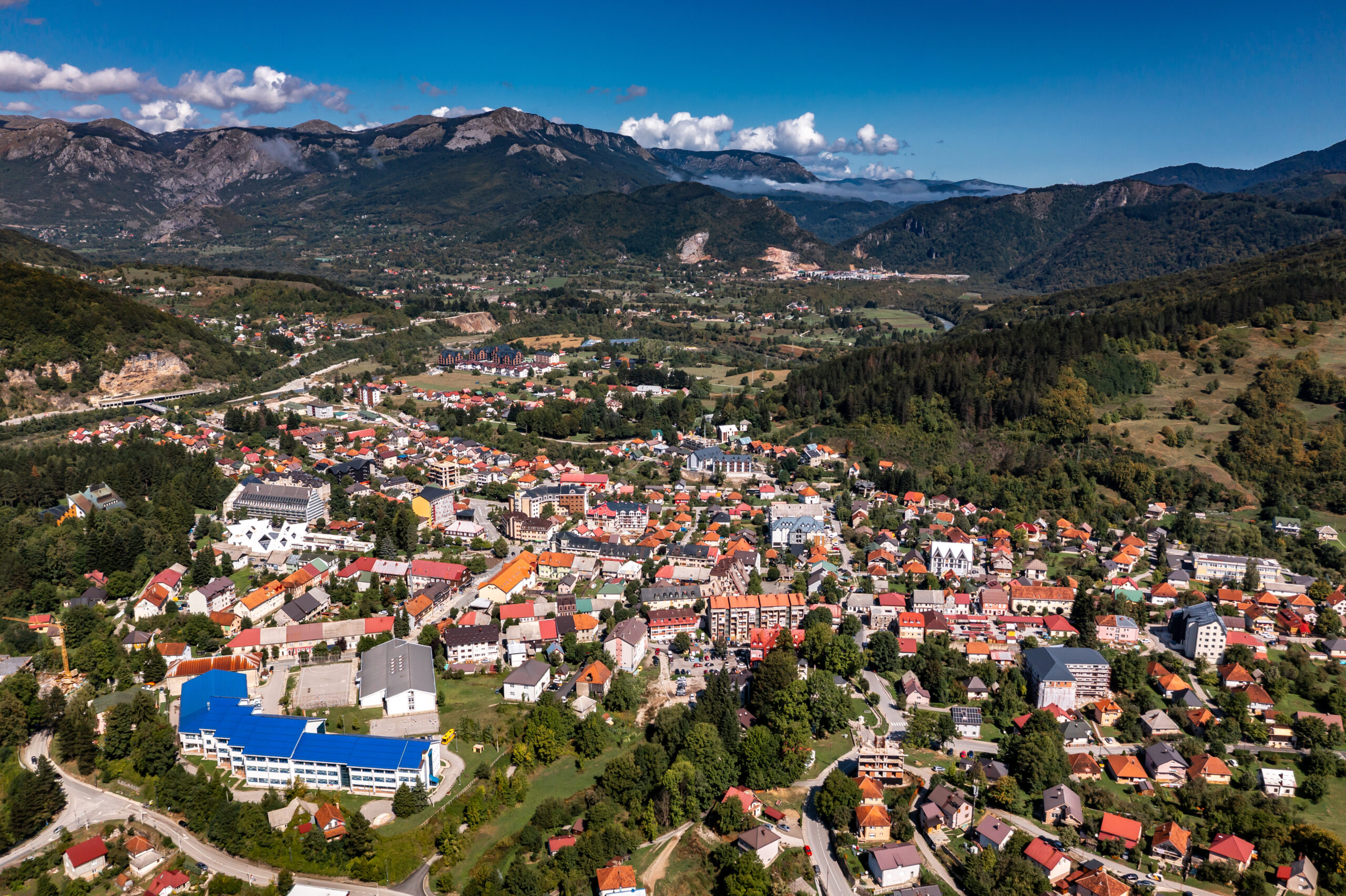
Kolasin sits in northern Montenegro, surrounded by the Bjelasica mountain range and close to national-park landscapes that are just as attractive in summer as they are in winter.
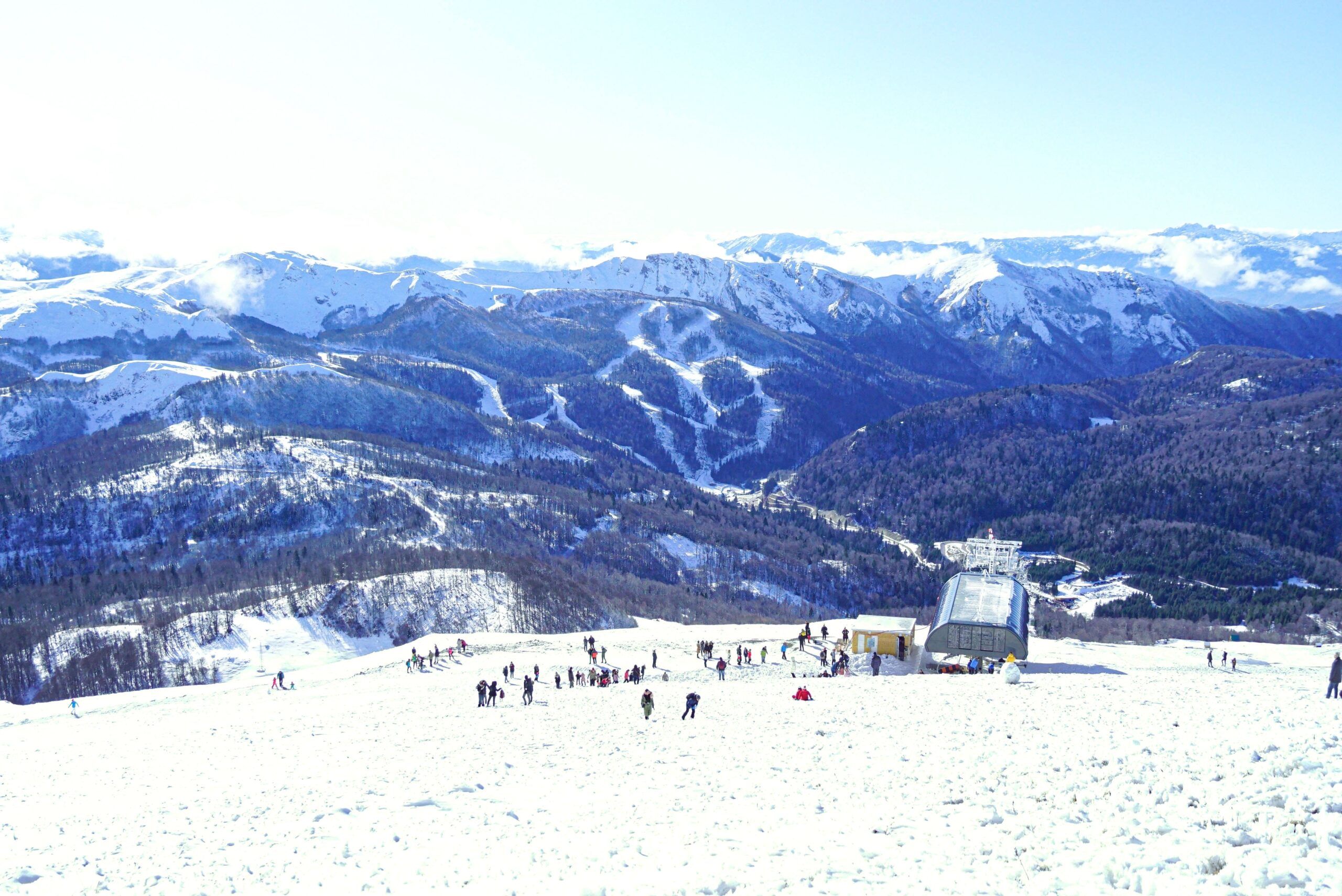
On the winter side, Kolasin’s ski identity is anchored by Ski Center Kolasin 1450 and Kolasin 1600, positioned as a connected domain with 45+ km of slopes.
The connection between the two centers is associated with the K7 gondola/cable car, referenced as opening in February 2022, helping unify the experience across elevations.
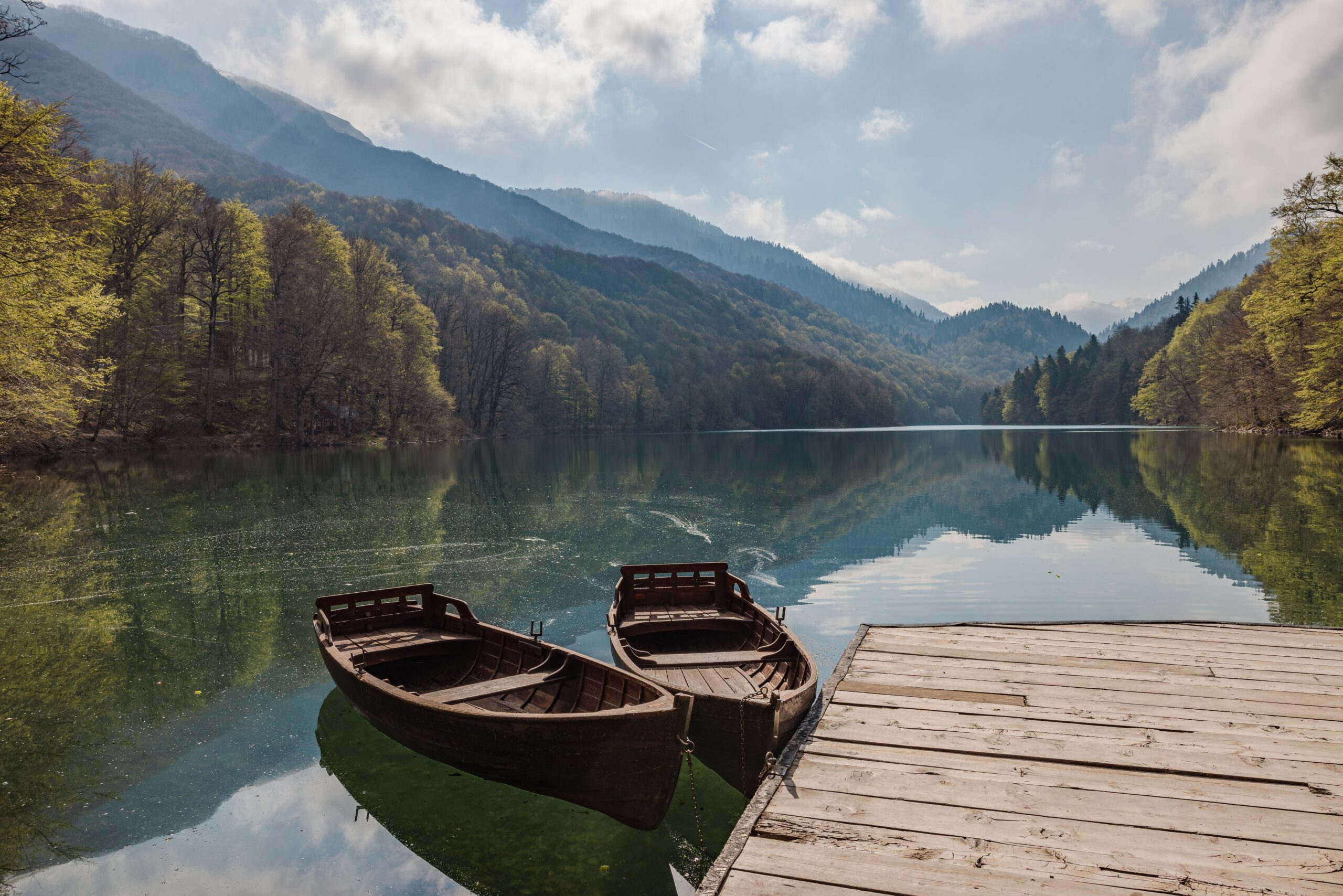
On the summer side, the region supports exactly the kind of “year-round resort” demand that today’s buyers are chasing: hiking, nature travel, rafting, and cooler mountain weather when coastal Montenegro hits peak heat.
Kolasin property prices: what buyers are actually paying
Kolasin is no longer “cheap.” But that’s precisely why investors are paying attention: prices have held firm, even as transaction volumes can cool elsewhere.
Local reporting in 2024 states that new-build (under construction) property in Kolasin is rarely found below €2,000/m², while condo-hotel style apartments can reach €10,000/m².
The same source notes that while Montenegro saw fewer transactions, there wasn’t a significant drop in prices.
At the same time, there are still entry points that feel “early cycle” compared to saturated coastal hubs—especially when you look at apartment ticket sizes rather than € per m².
For example, Kolasin Valleys-style offerings cite studios from €110,000 and one-bedroom apartments from €140,000 as indicative entry points in that ecosystem.
The takeaway: Kolasin has both a strong price floor and a wide price range, depending on micro-location, building format, and service level.
What’s driving demand in Kolasin right now
Accessibility is improving—and that changes everything
A resort market grows faster when it becomes easier to reach.
Montenegro’s government has referenced road improvements that reduce travel time in the Podgorica–Kolasin direction to around 40 minutes in context.
And area guides position Kolasin’s resort zone as under 90 minutes from Podgorica International Airport, strengthening its appeal for weekend travel and short stays.
The resort investment cycle is visible
When a destination transitions from “local ski hill” to “integrated resort,” demand shifts—from purely domestic winter visitors to international lifestyle buyers and investors.
Planning and promotional materials also frame the Bjelasica & Komovi region as a strategic ski-tourism development zone with longer-term expansion targets (presented as planned/targeted figures).
Buyer preference is shifting from coast to mountains
Kolasin’s market narrative increasingly includes a behavioral change: buyers who previously focused on coastal property are now actively evaluating mountain resorts—because four-season demand plus limited land creates a different risk profile.
That “shift” language appears repeatedly in market commentary around Kolasin.
Rental returns in Kolasin: what’s realistic?
If you’re buying as an investor, Kolasin’s rental logic is simple:
- Winter drives high occupancy and higher daily rates.
- Summer extends the rental season (and reduces reliance on a single peak period).
- Quality of management often determines the gap between “nice apartment” and “strong performer.”
Local market guides cite peak occupancy up to 95% during December–March, with daily rates ranging broadly (and they mention 6–12% annual rental yield as a general expectation in some cases).
Treat these figures as market signals, not guarantees: your real outcome depends on location, finish level, building services, reviews, and whether you have professional operations in place.
A practical way to think about returns in Kolasin is to model:
- a conservative scenario (more downtime, average rates, management costs fully included), and
- an optimistic scenario (peak-season strength + decent summer demand).
If your numbers only work in the optimistic case, the investment is fragile. If they work conservatively, you’re in the right zone.
How to choose a property in Kolasin: a buyer’s checklist
Before you choose a project, it helps to decide what you’re actually buying:
Are you buying a second home you’ll also rent sometimes?
Or are you buying a hospitality product designed to perform?
Here’s a practical checklist that protects both lifestyle and investment value:
- Micro-location: walkable center vs resort zone (and what your guest/tenant prefers)
- Four-season comfort: insulation, heating, storage, parking (mountain practicality matters)
- Amenities that lift demand: ski room, concierge, lobby, coworking, wellness access
- Operational model: who handles check-in, cleaning, maintenance, guest issues
- Building scale: boutique buildings can feel more premium than mass blocks
- Legal clarity: title, permits, and clear contracts (use a local lawyer)
- Exit logic: who buys this from you in 3–7 years—and why?
Why “clubhouse + hotel-grade service” fits Kolasin’s next stage
As Kolasin becomes more international, the most demanded format tends to be the one that reduces friction for owners:
- You want the option to arrive and “just live.”
- You also want the option to rent without running a small business yourself.
That’s where serviced living wins: it supports guest experience, protects the building’s reputation, and often helps stabilize occupancy.
Edelweiss Ecohouse: a boutique club‑style project designed for both living and investment
If your goal is to buy in Kolasin without operational chaos, the format matters as much as the location.
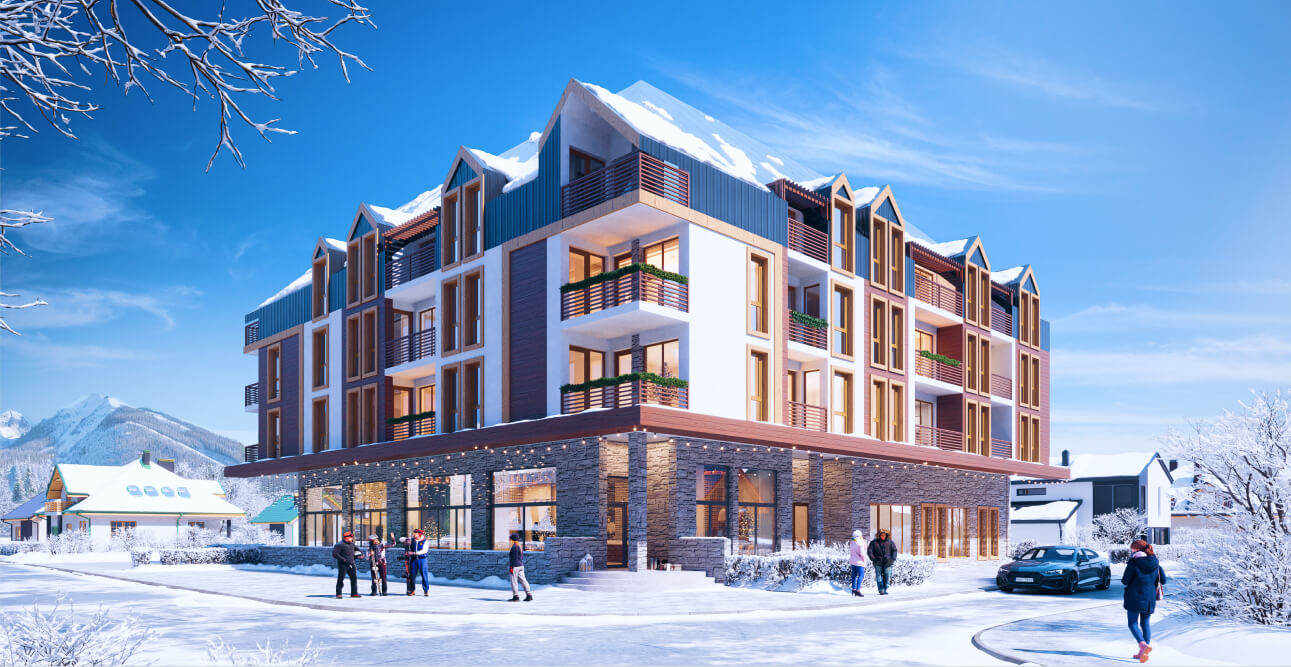
Edelweiss is positioned as a club-style building in central Kolasin with hotel-style service, designed to combine lifestyle comfort with investment logic. One of the clearest differentiators is scale: the project is described as having only 30 apartments, including duplex options, and a premium “clubhouse” feel rather than mass-resort density.
That matters because today’s resort buyers increasingly want a home they can use year-round—and the “service layer” is what makes year-round ownership genuinely convenient.
If you’re comparing options in Kolasin, it’s worth prioritizing projects that offer:
- a service model that supports rentals,
- amenities that match four-season living,
- and boutique scale that feels private and premium.
Next step: explore layouts, request full investment assumptions, and compare “hands-off” ownership options—especially if your plan includes rentals.
Frequently Asked Questions
Is Kolasin a good place to buy property in Montenegro?
If you want four-season demand, mountain lifestyle, and a market supported by limited supply, Kolasin is one of the strongest “north” candidates—especially as accessibility and resort infrastructure improve.
How much does property cost in Kolasin?
Market reporting suggests new-build pricing often starts around €2,000/m², with premium condo-hotel style product much higher in specific cases.
What rental yield can I expect?
Some local market guides cite 6–12% as a broad range and note peak-season occupancy can reach 95%, but results depend heavily on management and property quality.
Town center or ski zone—which is better?
Town center often supports year-round livability; ski zones can command higher winter ADR. The best choice depends on your strategy (personal use vs rental-first).
Why do serviced apartments matter?
Because in resort markets, operations (guest experience, reviews, maintenance, consistency) can make or break performance.
Final thought
Kolasin is no longer a “secret,” but it still feels like a market in the process of becoming what it’s meant to be: Montenegro’s most compelling four-season mountain destination.
And in resort markets, the winners are rarely just the biggest buildings or the cheapest sqm—they’re the projects that combine scarcity, usability, and service.